Permit for bulky waste West Byfleet rules explained
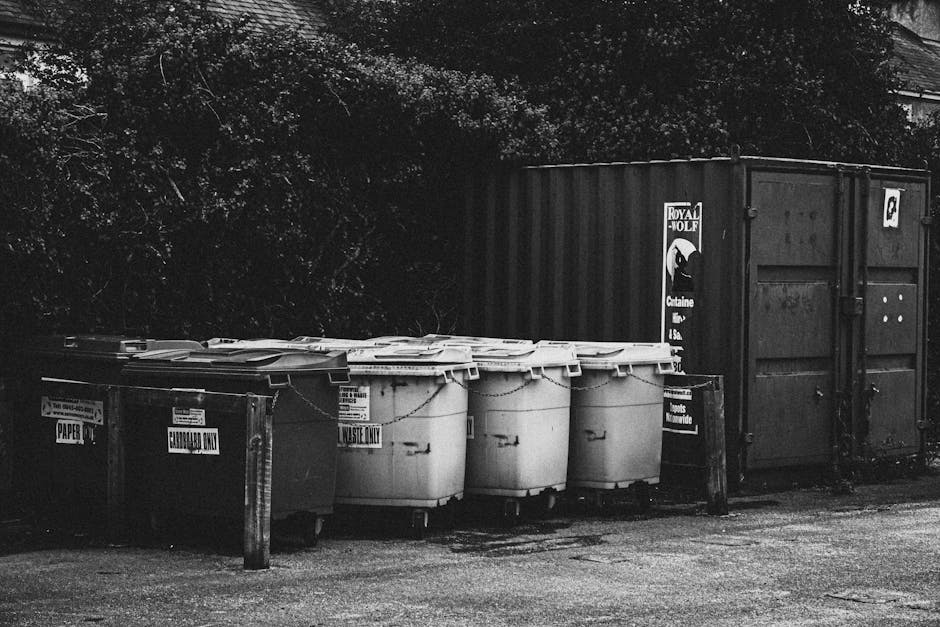
If you are trying to get rid of a sofa, mattress, wardrobe, or a few heavy bits of household clutter, the rules can feel oddly unclear. Do you need a permit? Can you just leave bulky waste outside? What if the item is too large for your car, or you have more than one thing to move? This guide to Permit for bulky waste West Byfleet rules explained cuts through the confusion and lays out the practical side in plain English.
The short version: bulky waste is not just "big rubbish". It is waste that needs a bit more care because of its size, weight, location, or disposal route. In West Byfleet, the safest approach is to check whether your item needs a permit, whether it can be collected as part of a local service, and whether you need a licensed clearance option instead. That sounds dry, I know. But getting it wrong can lead to fines, missed collections, or a pile of furniture sitting by the door for another week. Nobody wants that on a rainy Tuesday.
In this article, we will explain what bulky waste means, how permit rules tend to work, when a permit is actually needed, what mistakes people make, and how to choose the right route for your situation. We will also cover compliance, practical examples, and a few expert tips that make the whole process smoother.
Why Permit for bulky waste West Byfleet rules explained Matters
Bulky waste rules matter because large items often sit in a grey area between regular household rubbish and larger clearance work. A single armchair may be fine for a booked collection, but a full room of heavy furniture, broken appliances, or builder-style leftovers can quickly become a different job entirely. That is where permits, collection rules, access issues, and disposal responsibilities start to matter.
For residents in West Byfleet, the real issue is usually not the item itself. It is how the item is presented, where it is stored, who is collecting it, and whether the collection method is allowed. If you leave a large item in the wrong place, even for a short time, you may run into problems with access, fly-tipping concerns, or an uncollected load. To be fair, the rules can feel a bit fussy until you have tried to move a cracked three-seater sofa down a narrow hallway.
There is also a trust issue. Bulky waste is often linked with poorly handled disposal, and that can create legal and environmental risks. Choosing a proper route helps make sure items are handled responsibly, with recycling or reuse where possible. If you want to read more about responsible disposal practices, the site's recycling and sustainability approach is a useful place to start.
Key point: permit rules are not just red tape. They help keep collections safe, legal, and predictable. That matters whether you are clearing a single bed frame or a whole garage full of heavy, awkward bits.
How Permit for bulky waste West Byfleet rules explained Works
Let's keep this simple. A permit is usually about permission to place, move, or collect bulky items in a way that affects public space, access, or transport. In some cases, you may need permission to place waste on a driveway, roadside, or shared access point. In other cases, you may not need a permit at all, but you may need to book a specific collection or use a properly licensed waste carrier.
The exact route depends on four things:
- What the item is - furniture, white goods, garden waste, builders' rubble, or mixed household clutter.
- How much there is - one item is very different from a van-load.
- Where it is being kept - private land, shared access, pavement edge, or roadside.
- Who is removing it - local collection, private clearance, or self-delivery.
A permit is often relevant when bulky waste temporarily occupies a space that others use. For example, if you are renovating a flat and need a skip or a large container, that may be handled differently from a one-off furniture collection. If access is awkward, a service such as flat clearance support can be far more practical than trying to move things piecemeal.
In real life, people often ask the wrong first question. They ask, "Do I need a permit?" when the better question is, "What is the safest legal way to remove this bulky waste?" Once you frame it that way, the answer gets clearer. Sometimes a permit is part of the process. Sometimes it is not. Sometimes you simply need the right clearance service and a sensible collection plan.
One more thing: bulky waste rules are usually easier to follow when you separate items before collection. Mixed loads are where confusion starts. An old mattress, a broken chest of drawers, and a pile of damp cardboard are not all treated the same. Funny how the mess always becomes more complicated than the plan, isn't it?
Key Benefits and Practical Advantages
Getting the permit and collection side right brings some very real advantages, beyond just "staying legal". The benefits are practical, financial, and frankly less stressful.
- Fewer delays - your bulky waste is less likely to be rejected or left behind.
- Lower risk of penalties - especially where waste is placed in a restricted location without permission.
- Cleaner access - important if you live on a narrow street, in shared accommodation, or in a property with tight parking.
- Better disposal outcomes - suitable items can be reused, separated, or recycled more easily.
- Less physical strain - not every sofa should be a solo project. Truth be told, most shouldn't.
- More predictable costs - when the route is clear, quotes are usually clearer too.
There is also a hidden benefit: once you understand permit rules, you make better decisions about the type of clearance service you need. A straightforward one-off collection is not the same thing as a full home clearance, and a mixed waste job is not the same as furniture disposal. Matching the method to the waste saves time and keeps the job tidy.
If you are comparing options, it can help to look at broader services such as waste removal, furniture clearance, or a more complete house clearance depending on the amount and type of bulky waste involved.
Who This Is For and When It Makes Sense
This topic applies to a wider range of people than you might expect. It is not just for landlords, builders, or people moving house. In West Byfleet, bulky waste permit questions come up in all sorts of everyday situations.
- Homeowners clearing old furniture after a redecorating push.
- Tenants who need to leave a property tidy without damaging shared access or communal areas.
- Landlords dealing with end-of-tenancy items that are too large for normal bins.
- Businesses replacing office furniture, archive cabinets, or broken equipment.
- Tradespeople dealing with bulky offcuts and renovation debris, where builders waste clearance may be the smarter route.
- Garden owners removing heavy planters, broken sheds, or outdoor items, which sometimes overlap with garden clearance.
It makes sense to think about permit rules any time waste could cause obstruction, require special handling, or involve a shared area. Even if you are only dealing with one bulky item, the access route can matter. A long driveway is one thing. A shared block entrance with tight turning space is another. Completely different ball game.
This is also where people often decide between doing it themselves and booking help. If the item is large, fragile, dirty, or hard to manoeuvre, paying for professional support may be less hassle than borrowing a van, lifting with one mate, and hoping the item fits through the door. We have all seen how that story ends.
Step-by-Step Guidance
Here is a practical way to work through bulky waste rules without getting tangled up.
- Identify the item or items. Write down exactly what needs removing. A sofa, two mattresses, and an old wardrobe are three different disposal decisions, even if they are all "furniture".
- Check whether the waste is bulky, hazardous, or mixed. Bulky waste usually means large household items. If there are sharp edges, chemicals, or electrical components, the rules may be stricter.
- Look at the location. Is the waste inside the home, on private land, on a driveway, or near a public pavement? This is where permit questions often appear.
- Decide whether a permit or booking is needed. For many situations, the issue is not a formal permit in the traditional sense but a proper booking, approved placement, or collection slot.
- Choose the removal route. A single bulky item, furniture only, or a full property clearance may need different handling. If you are unsure, a service like home clearance can be a simpler all-in option.
- Prepare the waste. Remove loose contents, separate recyclable material where possible, and make sure items are accessible.
- Confirm the collection details. Double-check timing, access, parking, and any restrictions. A five-minute phone call or message can save a lot of backtracking.
A good rule of thumb: the more awkward the load, the more important it is to check the route before you lift a single thing. It sounds obvious, but people skip this all the time. Then the sofa is halfway through the hallway and reality arrives with a thud.
Expert Tips for Better Results
In our experience, bulky waste jobs go much more smoothly when you think ahead by ten minutes instead of reacting on the day.
- Measure the largest item first. Door widths, stair turns, and lift access can change the whole plan.
- Group similar items. Furniture, garden waste, and builders' debris are easier to assess separately.
- Photograph the load. It helps with planning and can reduce surprises during a quote.
- Keep a clear access path. Even a tidy hallway matters when two people are carrying a heavy wardrobe.
- Ask about reuse and recycling. Responsible clearance is often better than simple disposal, especially for decent-condition furniture.
- Book earlier than you think. If your move-out date or renovation deadline is close, last-minute arrangements can get messy fast.
If your bulky waste is part of a bigger declutter, it may be sensible to combine it with furniture or room-based services. For example, old sofas and tables may fit within furniture disposal, while a cluttered loft could be better handled through loft clearance. That joined-up approach often avoids duplicate visits.
One small but useful tip: if a permit or booking depends on placement, put the item where it can be seen and collected without creating an obstacle. Sounds mundane, but it matters. A badly placed armchair can become a trip hazard in seconds.
Common Mistakes to Avoid
Most problems with bulky waste are not dramatic legal disasters. They are usually simple misunderstandings that snowball.
- Assuming all large items are treated the same. A mattress, fridge, and old filing cabinet may need different handling.
- Leaving waste in a shared or public area without permission. This can trigger complaints or enforcement issues.
- Booking the wrong service. Furniture clearance is not always the same as general waste removal.
- Forgetting access issues. Parking, stairs, narrow gates, and lift restrictions are the classic troublemakers.
- Mixing prohibited items into one load. This can lead to rejection or extra charges.
- Not checking if the provider is suitable for the job. For commercial waste, for example, business waste removal is usually a more appropriate route than a household-only service.
A very common one is people waiting until the end of the week, discovering the item is bigger than expected, and then trying to sort everything in a rush. That is when mistakes happen. A quick check on Monday is nearly always better than a stressed-out scramble on Friday afternoon.
Tools, Resources and Recommendations
You do not need fancy software to handle bulky waste properly. What helps most are simple tools and a bit of structure.
- Measuring tape - for doors, hallways, and item dimensions.
- Phone camera - helpful for documenting the load and access points.
- Pen and notepad - old-fashioned, but very useful for listing items and collection notes.
- Basic packing materials - tape, labels, and moving blankets can make items easier to handle.
- A simple sorting system - keep items for reuse, recycling, and disposal separate where possible.
From a service perspective, the most relevant pages to compare are those that match the type of waste you actually have. A spare set of furniture may point you toward furniture clearance, while a mixed property declutter could call for home clearance or even a full house clearance.
For readers who care about what happens after collection, the site's recycling and sustainability page is worth a look. It helps frame the wider responsibility behind bulky waste decisions, even if you are only dealing with a single item.
Law, Compliance, Standards, or Best Practice
This is the part people sometimes skip, then regret later. The exact permit requirement can depend on local rules, the type of waste, and where it is being stored or collected. In the UK, waste must be managed responsibly, and anyone taking waste away commercially should be properly authorised. That is the general principle to keep in mind.
Best practice usually means:
- using a lawful collection method,
- keeping waste off unsuitable public areas unless permission is in place,
- separating recyclable and reusable items where practical,
- avoiding unsafe lifting or blocking access routes,
- making sure the service you use is suitable for the material type.
If a collection involves employees, residents, or visitors moving through the area, health and safety matters too. Clear access, safe lifting, and proper insurance should not be afterthoughts. If you are comparing providers, it is sensible to look at their approach to health and safety and insurance and safety, especially for bulky or awkward removals.
For commercial customers, documentation also matters. In a business setting, you may need cleaner records, agreed time slots, and more certainty over disposal. That is why office clearance and business-facing services often have slightly different expectations from a domestic one-off lift.
Practical standard: if there is any doubt about whether the waste can be left, moved, or collected safely, pause and confirm before you proceed. It is cheaper to ask than to fix a mistake.
Options, Methods, or Comparison Table
Different bulky waste situations call for different methods. Here is a straightforward comparison to help you decide.
| Option | Best for | Permit likely needed? | Main advantage | Watch out for |
|---|---|---|---|---|
| One-off bulky waste collection | Single items or a small number of large household pieces | Sometimes, depending on placement and local rules | Simple and quick | Access restrictions and item limits |
| Furniture-focused clearance | Sofas, tables, wardrobes, beds | Usually not for the item itself, but access may still matter | Good match for domestic furniture | Mixed waste can complicate the job |
| Full home or house clearance | Multiple rooms, moving house, probate, major declutter | Less about a permit, more about planning and access | Comprehensive and efficient | Needs clear instructions and item separation |
| Builders waste clearance | Renovation debris, timber, fixtures, mixed site waste | May depend on storage location and loading method | Handles heavier site-style waste | Contamination and restricted items |
| Self-transport to a disposal point | People with a suitable vehicle and time | Not usually a permit issue, but transport and site rules still apply | Direct control | Manual handling and sorting burden |
The best option is rarely the one that looks cheapest at first glance. It is the one that matches the job. If you have to make three trips, borrow a van, and still worry about what to do with one broken chest of drawers, the "cheap" route may not be cheap at all.
Case Study or Real-World Example
Here is a realistic example. A family in West Byfleet clears out a spare room before a new baby arrives. They have an old sofa bed, a wardrobe, two drawers, and a few sacks of mixed clutter. At first, they think they only need to put the items outside for collection. Then they realise the access is shared, the path is narrow, and the larger pieces will block the bin area if left there overnight.
What worked best was to separate the furniture from the mixed waste, measure the largest item, and choose a clearance route that handled the full load in one go. The furniture went with a furniture-focused service, while the smaller clutter was dealt with separately. No drama. No last-minute "where does this go?" panic. And the hallway stayed usable, which everyone appreciated about five minutes in.
That kind of decision is what this topic is really about. Not just permits. Not just rules. It is about finding a route that respects the property, the neighbours, and your own time.
If the clear-out is bigger or more complicated, you may want to look at garage clearance or loft clearance as part of the same planning process. Those spaces are notorious for hiding more waste than anyone expects. Always.
Practical Checklist
Use this quick checklist before any bulky waste collection or permit decision:
- List every item that needs removing.
- Check whether any item is hazardous, electrical, or unusually heavy.
- Measure doorways, stairs, lifts, and access routes.
- Confirm whether the waste will be on private land or a shared/public area.
- Decide whether you need a permit, a booking, or a specialist clearance service.
- Separate furniture, mixed waste, and recyclable material where possible.
- Take photos for planning or quoting.
- Make sure parking and access are sorted for the collection time.
- Check that the service matches the type of waste you have.
- Keep the area clear so the collection can happen safely.
When in doubt, slow down a touch. That is usually the smartest move. It saves stress later, and the day already has enough going on.
Get a free quote today and see how much you can save.
Conclusion
Bulky waste rules in West Byfleet are much easier to handle once you stop thinking only about the word "permit" and start thinking about the whole removal process. What item is it? Where is it going? Who is taking it? Is it safe, legal, and practical? Those are the questions that really matter.
If you are dealing with a single item, a room full of furniture, or a mixed clear-out that has become a bit of a monster, the right answer is usually the one that keeps things simple and compliant. Measure first, separate what you can, and choose the service that fits the job rather than the other way round.
And if the job feels bigger than expected, that is normal. Most bulky waste jobs look manageable right up until you actually start lifting. Then the kettle goes on, the tape measure comes out, and the sensible plan begins. That is how it should be.
For more about the people behind the service, you can read about us or head to the contact page if you are ready to talk through your options.
Frequently Asked Questions
Do I always need a permit for bulky waste in West Byfleet?
Not always. It depends on what the waste is, where it is being placed, and how it is being collected. Many bulky waste jobs do not need a formal permit, but they do need proper planning and a suitable collection method.
What counts as bulky waste?
Usually large household items such as sofas, mattresses, wardrobes, beds, tables, and similar oversized items. In some cases, heavy mixed waste or awkward items can also be treated as bulky waste.
Can I leave bulky waste on the pavement for collection?
Only if the collection arrangement allows it. Leaving items in a public area without permission can cause problems, so it is best to confirm the rules before you put anything out.
Is bulky waste the same as general rubbish?
No. Bulky waste is usually larger, harder to move, and often needs a different collection or disposal approach. General rubbish is typically smaller household waste that fits standard bins or bags.
What if I only have one item?
Even one large item may need planning if access is tight or the item cannot be safely moved by one person. A single sofa can be more awkward than a whole pile of smaller items. Annoyingly, that happens a lot.
How do I know whether to choose furniture clearance or general waste removal?
If your load is mainly sofas, beds, tables, or other domestic furniture, furniture clearance is often the better fit. If the load is mixed and includes household clutter, general waste removal or home clearance may be more suitable.
Can bulky waste be recycled or reused?
Often, yes. It depends on the condition of the item and what materials it contains. Good clearance practice usually includes separating reusable items and recycling anything that can be processed responsibly.
What should I do before a bulky waste collection?
Measure the items, clear the access route, check whether anything needs separating, and confirm the collection time. A little preparation makes the whole job easier and safer.
Are there special rules for bulky waste from a business?
Yes, business waste often needs a more structured approach, particularly around documentation, access, and disposal responsibilities. That is why business waste removal is usually handled differently from domestic waste.
What is the safest option if I am not sure about the rules?
The safest option is to get advice before moving the waste. If there is any uncertainty about permits, access, or the type of item, it is better to confirm the route first than to fix a mistake later.
Can a full house clearance help if I have several bulky items?
Absolutely. If the bulky waste is part of a bigger declutter, a full house clearance may be more efficient and less stressful than arranging multiple separate collections.
How do I compare different clearance options?
Look at the type of waste, the amount of waste, the access conditions, and whether you need a one-off or whole-property solution. The comparison table above is a good place to start if you are weighing up your choices.